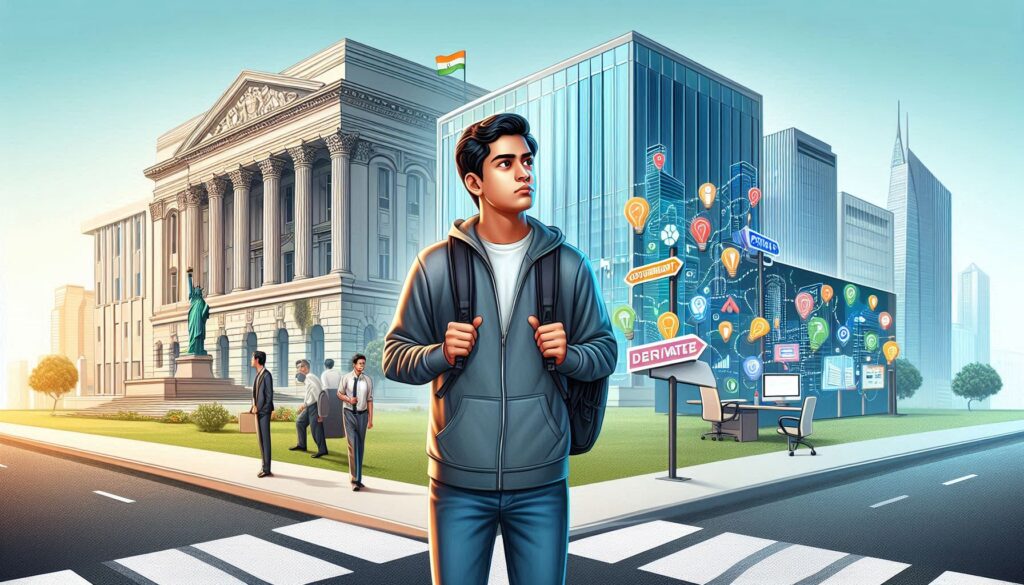
What Are Traditional Careers?
Traditional careers refer to well-established professions that have existed for decades and, in many cases, for centuries. These careers follow a structured and predictable path, usually requiring formal education, recognized degrees, and standardized examinations. They have long been considered the “safe” and “respectable” career choices across societies worldwide.
In traditional career paths, success is often defined by stability rather than speed. Individuals typically study for several years, obtain a degree or certification, secure an entry-level position, and then gradually progress through promotions based on experience, seniority, and organizational hierarchy. This linear growth model has been the foundation of the global workforce for a very long time.
One of the defining characteristics of traditional careers is their strong connection to institutions. Government bodies, schools, universities, hospitals, courts, banks, and large corporations play a central role in offering and regulating these jobs. Because of this institutional backing, traditional careers are usually associated with fixed working hours, defined roles, and long-term employment contracts.
Education plays a crucial role in traditional careers. Degrees, diplomas, and professional licenses are often mandatory, and without them, entry into these fields is almost impossible. Competitive exams, entrance tests, and certifications act as gatekeepers, ensuring that only qualified candidates enter the profession.
Another important aspect of traditional careers is social recognition. In many cultures, professions such as doctors, engineers, teachers, and government officers are highly respected. Families often encourage younger generations to pursue these careers because they symbolize security, honor, and a stable future.
However, traditional careers are not just about the past; they still form the backbone of essential services in every country. Healthcare, education, law, infrastructure, and public administration continue to rely heavily on professionals following traditional career paths. Despite rapid technological changes, these roles remain critical to the functioning of society.
In simple terms, traditional careers are structured, degree-focused, institution-driven professions that prioritize stability, long-term security, and social recognition over rapid growth or flexibility.
Choosing between traditional and modern careers becomes easier when you understand market trends and long-term career planning strategies.
Common Examples of Traditional Careers
Traditional careers exist in almost every country and culture, forming the foundation of essential services and professional systems. These careers are widely recognized, formally regulated, and usually require years of education and training before entry. Below are some of the most common and globally accepted examples of traditional career paths.
One of the most well-known traditional career options is government employment. Government jobs are often considered highly stable because they offer long-term security, fixed salaries, pensions, and other benefits. Positions in public administration, civil services, defense, and public sector departments fall into this category. Due to limited vacancies and high demand, entry into government roles is usually competitive and exam-based.
Teaching and academia also represent a major category of traditional careers. Teachers, professors, and academic researchers play a critical role in shaping societies by educating future generations. These careers typically require formal degrees, professional training, and certifications. Growth in this field is usually steady, with promotions based on experience, qualifications, and academic contributions.
Healthcare professionals form another essential group within traditional careers. Doctors, nurses, pharmacists, and medical specialists are highly respected worldwide. These careers demand rigorous education, practical training, and licensing. Although the learning period is long and challenging, healthcare professions offer long-term stability and continuous demand across all regions.
Engineering is another classic example of a traditional career path. Fields such as civil, mechanical, electrical, and chemical engineering have been trusted career options for decades. Engineers usually work in industries like construction, manufacturing, energy, and infrastructure development. Career growth in engineering often depends on experience, technical expertise, and organizational structure.
Law and legal professions also fall under traditional careers. Lawyers, judges, legal advisors, and notaries operate within well-defined legal systems. Entry into this field requires specialized education, examinations, and professional licensing. Legal careers are respected globally and often associated with authority and responsibility.
Finance-related professions such as banking, accounting, and auditing are also considered traditional careers. Bank officers, chartered accountants, financial auditors, and tax consultants typically work within structured corporate or institutional environments. These roles demand formal education, certifications, and adherence to strict professional standards.
Overall, traditional careers are characterized by clearly defined roles, formal entry requirements, and long-established professional systems. While the specific titles and regulations may vary from country to country, the core structure and values of these careers remain largely the same worldwide.
Advantages of Traditional Careers
Traditional careers have remained popular for decades because they offer several long-term benefits that many individuals and families value highly. Despite the rise of modern and digital career options, these advantages continue to attract millions of people worldwide.
One of the biggest advantages of traditional careers is job stability. Most traditional professions are linked to established institutions such as governments, schools, hospitals, banks, and large corporations. These institutions rarely disappear overnight, which means employees usually enjoy long-term employment and predictable career progression.
Another major benefit is financial security. Traditional careers often provide a fixed monthly salary along with structured increments. In many cases, employees also receive additional benefits such as pensions, health insurance, paid leave, and retirement plans. This predictable income makes long-term financial planning easier, especially for families with fixed responsibilities.
Social respect and recognition are also important advantages of traditional careers. Professions like doctors, teachers, engineers, and government officers are widely respected across societies. This social status often brings trust, authority, and a sense of pride, not only for the individual but also for their family.
Traditional careers usually follow a clearly defined career path. From entry-level roles to senior positions, the progression is structured and well documented. Employees generally know what qualifications, experience, or examinations are required for promotion. This clarity reduces uncertainty and helps individuals plan their professional growth over time.
Another advantage is a structured work environment. Traditional careers typically have fixed working hours, defined responsibilities, and formal workplace rules. For many people, this structure provides discipline, routine, and a healthy work-life balance, especially compared to unpredictable or irregular work schedules.
Finally, traditional careers play a vital role in society. Fields such as healthcare, education, law, infrastructure, and public administration are essential for the functioning of any nation. Working in these sectors often gives individuals a strong sense of purpose and contribution to society.
In summary, traditional careers offer stability, security, respect, and clear growth paths. These advantages make them especially appealing to individuals who prioritize long-term safety, structured growth, and social recognition over rapid change or high risk.
Limitations of Traditional Careers
While traditional careers offer stability and social recognition, they also come with certain limitations that have become more visible in today’s fast-changing world. Understanding these challenges is important for making a balanced and informed career decision.
One major limitation of traditional careers is slow career growth. Promotions and salary increases often depend on seniority, years of service, or fixed evaluation cycles rather than performance alone. As a result, highly skilled and motivated individuals may feel restricted by the pace of advancement.
Limited flexibility is another common drawback. Most traditional careers require fixed working hours and physical presence at a specific location. Remote work options are often limited or unavailable, making it difficult for individuals to balance personal responsibilities, travel, or lifestyle preferences.
High competition is also a significant challenge. Entry into many traditional professions involves competitive exams, limited seats, and long preparation periods. In some cases, candidates spend several years preparing without any guarantee of success, which can lead to frustration and delayed career starts.
Traditional careers are often heavily dependent on degrees and formal qualifications. Even if someone has strong practical skills or talent, they may be unable to enter or progress in a field without the required certifications. This strict requirement can limit opportunities for capable individuals who follow non-traditional learning paths.
Another limitation is reduced scope for creativity and innovation. Many traditional roles operate within strict rules, procedures, and hierarchies. Employees may have little freedom to experiment, introduce new ideas, or work outside predefined boundaries, which can be discouraging for creative thinkers.
Income growth in traditional careers can also be limited. While salaries are stable, they often have a ceiling, especially in mid-level roles. Exceptional financial growth usually takes many years or requires reaching senior positions, which are limited in number.
In some regions, traditional careers may also struggle to keep pace with technological change. Outdated systems, slow adoption of new tools, and rigid structures can reduce efficiency and job satisfaction.
In summary, traditional careers, while safe and respected, may lack flexibility, rapid growth, and creative freedom. These limitations have led many individuals, especially younger generations, to explore alternative career paths that better align with modern lifestyles and evolving job markets.
What Are Modern Careers?
Modern careers are career paths that have emerged or evolved primarily due to advancements in technology, the internet, and changing global work culture. Unlike traditional careers, modern careers are less dependent on fixed degrees and more focused on practical skills, adaptability, and continuous learning.
A defining feature of modern careers is their skill-based nature. In many modern professions, what matters most is not where or how you studied, but what you can actually do. Skills such as problem-solving, digital literacy, creativity, and technical expertise often carry more value than formal qualifications alone.
Technology plays a central role in shaping modern careers. The rise of computers, smartphones, cloud platforms, artificial intelligence, and digital tools has created entirely new job roles that did not exist a few decades ago. Many modern professionals work in fields that are closely connected to digital platforms, software, data, and online services.
Another important characteristic of modern careers is flexibility. Many modern jobs allow remote work, freelance contracts, or project-based assignments. Professionals can often work from different locations, choose flexible working hours, and collaborate with global teams. This flexibility has transformed how people balance work, personal life, and productivity.
Modern careers are also closely linked to global opportunities. Thanks to the internet, individuals can now work for international clients or companies without relocating. This global reach allows professionals to earn in stronger currencies, gain international exposure, and access a much wider job market.
Continuous learning is a key requirement in modern careers. Technologies, tools, and market demands change rapidly, so professionals must regularly upgrade their skills to remain relevant. Online courses, certifications, self-learning platforms, and hands-on projects play a major role in career growth.
Another notable aspect of modern careers is the potential for rapid growth. Skilled individuals can often advance faster based on performance, innovation, and results rather than years of experience alone. In some cases, professionals can build personal brands, multiple income streams, or even start their own businesses.
In simple terms, modern careers are dynamic, skill-driven, and technology-enabled career paths that prioritize flexibility, global reach, and continuous growth over rigid structures and traditional hierarchies.
Popular Examples of Modern Careers
Modern careers cover a wide range of professions that are driven by technology, digital platforms, and changing global work patterns. These careers are not limited by geography and often focus more on skills, creativity, and results than on traditional qualifications.
One of the most in-demand modern careers is digital marketing. Digital marketing specialists help businesses promote their products and services through online channels such as search engines, social media, email, and websites. This field includes roles like SEO specialists, social media managers, performance marketers, and content strategists. Demand for digital marketing professionals continues to grow as businesses shift online worldwide.
Software development and app development are also among the most popular modern career options. Developers create websites, mobile applications, and software systems used by individuals and organizations globally. These careers emphasize problem-solving and technical skills, and many professionals learn through online courses, coding bootcamps, and self-practice rather than traditional degrees.
Data-related careers have gained significant importance in recent years. Data analysts, data scientists, and business intelligence professionals work with large amounts of data to help organizations make informed decisions. These roles require analytical thinking and technical skills and are widely востребed across industries such as finance, healthcare, technology, and e-commerce.
Artificial intelligence and automation-related roles represent a rapidly expanding category of modern careers. Professionals in this field work on machine learning models, automation systems, and intelligent tools that improve efficiency and productivity. Although technical knowledge is important, many roles also focus on implementation, optimization, and ethical use of AI technologies.
Content creation has emerged as a powerful modern career option. Content creators, bloggers, video producers, podcasters, and social media influencers build audiences by sharing valuable or entertaining content online. These careers often combine creativity, communication skills, and digital tools, allowing individuals to monetize their personal brands globally.
Freelancing and remote work-based careers have also become mainstream. Freelancers offer services such as graphic design, writing, programming, consulting, and virtual assistance to clients worldwide. Remote professionals may work full-time for companies without being tied to a physical office, enjoying flexibility and global exposure.
Entrepreneurship and startup-related careers are another important part of the modern career landscape. Many individuals now build online businesses, digital products, or technology-driven startups with relatively low initial investment. These careers reward innovation, risk-taking, and adaptability.
Overall, modern careers are diverse, global, and skill-driven. They provide opportunities for individuals from different educational backgrounds to build successful and fulfilling careers by leveraging technology and continuous learning.
Advantages of Modern Careers
Modern careers have gained popularity because they align closely with today’s fast-paced, technology-driven world. These careers offer several advantages that appeal to students, professionals, and career switchers across the globe.
One of the biggest advantages of modern careers is faster growth potential. In many modern fields, career progression is based on skills, performance, and results rather than years of experience. Talented individuals can move quickly into higher-paying roles, leadership positions, or independent work by consistently delivering value.
Flexibility is another major benefit of modern careers. Many roles allow remote work, flexible schedules, or project-based arrangements. This flexibility helps individuals manage their time better, reduce commuting stress, and balance personal and professional responsibilities more effectively.
Modern careers also offer access to global opportunities. Professionals can work with international companies, clients, or teams without relocating. This global exposure not only increases earning potential but also helps individuals gain diverse experiences and build strong professional networks worldwide.
Skill-based recognition is a key advantage of modern careers. In these fields, practical abilities often matter more than formal degrees. This creates opportunities for self-learners, career changers, and individuals from non-traditional educational backgrounds to succeed based on merit.
Another important advantage is the possibility of multiple income streams. Many modern professionals combine full-time jobs with freelancing, consulting, content creation, or digital products. This diversification reduces dependency on a single source of income and increases financial resilience.
Modern careers also encourage creativity and innovation. Professionals are often free to experiment, explore new ideas, and adopt emerging tools and technologies. This environment can be highly motivating for individuals who enjoy problem-solving and creative work.
Finally, modern careers are closely aligned with future job markets. As industries continue to evolve, demand for digital, analytical, and technology-related skills is expected to grow. This makes modern careers more adaptable to long-term changes in the global economy.
In summary, modern careers offer speed, flexibility, global reach, and skill-based growth, making them highly attractive in today’s evolving professional landscape.
Challenges of Modern Careers
While modern careers offer flexibility and rapid growth, they also come with unique challenges that individuals must understand before choosing this path. Being aware of these challenges helps in building realistic expectations and long-term success.
One of the most common challenges of modern careers is income instability, especially during the early stages. Freelancers, entrepreneurs, and self-employed professionals may experience irregular earnings until they establish a strong client base, reputation, or consistent workflow. This uncertainty can be stressful for individuals with immediate financial responsibilities.
Continuous learning is another major challenge. Technologies, tools, and market demands change frequently, and professionals must regularly update their skills to stay relevant. This requires time, effort, and self-discipline, which can be difficult for those who prefer a fixed or predictable learning path.
Modern careers often require a high level of self-motivation and discipline. Without a traditional office structure or direct supervision, individuals must manage their own schedules, deadlines, and productivity. Those who struggle with time management or consistency may find this challenging.
Lack of social acceptance can also be an issue in some regions. In certain cultures, modern careers such as freelancing, content creation, or online businesses are still not fully understood or respected. Family and societal pressure may create doubts, especially during the initial phase when results are not immediately visible.
Job security can be less predictable in modern careers. Unlike traditional jobs with long-term contracts, many modern roles are project-based or performance-driven. Market changes, client decisions, or platform policies can directly affect income and opportunities.
Another challenge is increased competition. Since modern careers are accessible globally, professionals often compete with talent from around the world. Standing out requires strong skills, continuous improvement, and personal branding.
Finally, work-life balance can sometimes become difficult. Flexible schedules may lead to overworking, blurred boundaries between personal and professional life, and burnout if not managed properly.
In summary, modern careers offer exciting opportunities but demand adaptability, resilience, and continuous effort. Success in these careers depends largely on how well individuals manage uncertainty, learning, and self-discipline.
Traditional Careers vs Modern Careers – Side-by-Side Comparison
When choosing between traditional and modern careers, understanding the key differences helps individuals make informed and realistic decisions. Both career paths have their own strengths and limitations, and neither is universally better for everyone. Below is a clear, practical comparison based on major career factors.
Job Security:
Traditional careers generally offer higher job security due to long-term employment contracts, institutional support, and stable demand. In contrast, modern careers often depend on skills, performance, and market conditions, making job security less predictable, especially in the early stages.
Income Structure:
Traditional careers usually provide a fixed and predictable income with scheduled increments. Modern careers may offer variable income, but they also have the potential for significantly higher earnings based on expertise, projects, or business success.
Career Growth Speed:
Growth in traditional careers is often slow and structured, with promotions tied to experience and hierarchy. Modern careers allow faster growth, where individuals can advance quickly based on results, innovation, and skill mastery.
Work Flexibility:
Traditional careers typically require fixed working hours and physical presence at a specific workplace. Modern careers offer greater flexibility, including remote work, flexible schedules, and project-based assignments.
Skill Requirements:
Traditional careers place strong emphasis on formal education, degrees, and certifications. Modern careers focus more on practical skills, hands-on experience, and continuous learning, often allowing self-taught professionals to succeed.
Global Exposure:
Traditional careers are often limited to local or national opportunities. Modern careers provide global exposure, enabling professionals to work with international clients and companies without geographical restrictions.
Creativity and Innovation:
Traditional careers may involve strict procedures and limited creative freedom. Modern careers generally encourage experimentation, creativity, and the adoption of new tools and ideas.
Risk Level:
Traditional careers are considered low-risk due to stability and predictability. Modern careers involve higher risk but also offer higher rewards for those willing to adapt and grow.
In essence, traditional careers prioritize stability and structure, while modern careers emphasize flexibility, speed, and skill-based growth. The right choice depends on an individual’s goals, risk tolerance, and long-term vision.
This comparison becomes even more important when evaluating future-proof career options in a changing job market.
Which Career Path Is Better for Students?
Choosing the right career path is especially important for students because early decisions can shape long-term professional and personal outcomes. Both traditional and modern careers offer opportunities for students, but the best choice depends on individual circumstances, goals, and learning preferences.
For students who prefer stability and structured growth, traditional careers can be a suitable option. Students who perform well in academic environments, are comfortable with long study periods, and are willing to prepare for competitive exams may find traditional careers rewarding. Fields such as healthcare, education, engineering, and government services continue to offer long-term demand and social recognition.
Students who value flexibility and early exposure to real-world work may find modern careers more appealing. Modern career paths allow students to start learning skills early, often alongside their studies. Many students begin freelancing, content creation, coding, or digital marketing while still in school or college, gaining practical experience and income before graduation.
Financial background also plays a role in this decision. Students with the ability to invest time in long-term education may choose traditional careers, while those facing financial pressure may prefer modern careers that allow faster entry into the job market. Modern careers can provide earlier earning opportunities, even at a beginner level.
Learning style is another key factor. Students who enjoy self-learning, experimentation, and hands-on practice often adapt well to modern careers. On the other hand, students who prefer guided learning, fixed syllabi, and clear evaluation systems may feel more comfortable in traditional career paths.
It is also important to consider risk tolerance. Traditional careers generally involve lower risk but slower rewards. Modern careers may involve uncertainty initially, but they offer higher growth potential for students willing to learn continuously and adapt to change.
In many cases, the best approach for students is not choosing one path exclusively but exploring both. Building a strong educational foundation while developing modern skills can create more career options and reduce future uncertainty.
In summary, there is no universally “better” career path for all students. The ideal choice depends on personal strengths, financial situation, learning style, and long-term aspirations.
Students can also explore skill-based careers that allow early entry into the job market.
Which Career Path Is Better for Working Professionals?
For working professionals, choosing between traditional and modern careers often depends on career stage, growth opportunities, and long-term goals. Many professionals reach a point where they reassess their career direction due to limited growth, job dissatisfaction, or changing personal priorities.
Traditional careers can be a good fit for professionals who value stability and predictability. Those who already hold secure positions in government, education, healthcare, or established organizations may prefer to continue on a traditional path. These careers provide steady income, benefits, and a clear progression structure, which can be especially important for professionals with family responsibilities.
However, some working professionals experience stagnation in traditional roles. Limited promotions, slow salary growth, and lack of creative freedom often motivate professionals to explore alternatives. In such cases, modern careers can offer new opportunities for growth and reinvention.
Modern careers are particularly attractive for professionals seeking faster growth, flexibility, or global exposure. Skills-based roles allow professionals to leverage their existing experience while learning new tools or technologies. For example, a marketing professional may transition into digital marketing, or an operations professional may move into data analysis or automation-related roles.
Career switching is often more practical in modern career paths. Online learning platforms, certifications, and real-world projects make it possible for professionals to upskill without leaving their current jobs. This gradual transition reduces financial risk while opening new career possibilities.
Work-life balance is another important consideration. Many modern careers offer remote work and flexible schedules, which can be highly beneficial for professionals managing personal commitments. At the same time, professionals must be prepared to manage self-discipline and workload independently.
Risk tolerance plays a key role for working professionals. Traditional careers generally involve lower risk but limited growth, while modern careers may involve higher uncertainty but greater long-term rewards. Professionals must evaluate their financial stability, dependents, and career goals before making a shift.
In many cases, a hybrid approach works best. Professionals may continue in traditional roles while developing modern skills through freelancing, consulting, or side projects. This strategy provides security while creating additional income and future career options.
In summary, for working professionals, the better career path depends on individual priorities, growth expectations, and willingness to adapt. A thoughtful, skill-focused approach can help professionals build sustainable and fulfilling careers in either path.
Students can also explore skill-based careers that allow early entry into the job market.
Can Traditional and Modern Careers Be Combined?
In today’s evolving job market, combining traditional and modern careers is not only possible but increasingly common. Many professionals are choosing hybrid career models that allow them to enjoy the stability of traditional roles while benefiting from the flexibility and growth potential of modern careers.
A hybrid career approach involves maintaining a traditional job while simultaneously developing modern, skill-based income streams. For example, a teacher may create online courses, a working professional may offer consulting services, or a healthcare worker may build a digital presence through educational content. These combinations allow individuals to maximize their skills and income potential.
One major advantage of combining both career paths is reduced risk. Traditional careers provide a stable income and security, while modern careers offer opportunities for experimentation and growth. This balance allows individuals to explore new fields without completely depending on uncertain income sources.
Hybrid careers also enable faster skill development. Professionals gain real-world experience from traditional roles while sharpening modern skills such as digital communication, technology usage, and personal branding. This combination makes individuals more adaptable and resilient in changing job markets.
Another benefit is income diversification. Relying on a single source of income can be risky in uncertain economic conditions. By combining traditional and modern careers, individuals create multiple income streams, increasing financial stability and long-term security.
Hybrid career models also support gradual career transitions. Instead of making sudden career changes, professionals can slowly shift focus from traditional roles to modern opportunities as their confidence and earnings grow. This approach is especially beneficial for individuals with financial responsibilities.
As remote work, digital platforms, and online learning continue to expand, hybrid careers are likely to become the norm rather than the exception. Employers and institutions are also becoming more accepting of professionals who pursue multiple career interests.
In summary, combining traditional and modern careers offers the best of both worlds: stability and innovation, security and flexibility. For many individuals, this balanced approach provides a practical and future-ready career strategy.
How to Choose Between Traditional and Modern Careers
Choosing between traditional and modern careers requires careful self-evaluation rather than following trends or external pressure. A thoughtful approach helps individuals select a career path that aligns with their strengths, lifestyle, and long-term goals.
The first step is self-assessment. Individuals should evaluate their interests, natural abilities, and personality traits. Those who prefer structured environments, predictable routines, and long-term stability may feel more comfortable in traditional careers. In contrast, individuals who enjoy experimentation, problem-solving, and independence may thrive in modern careers.
Understanding one’s risk tolerance is equally important. Traditional careers usually involve lower risk but slower rewards, while modern careers may involve uncertainty in the early stages but offer higher growth potential. Individuals must consider their financial responsibilities, dependents, and emergency savings before choosing a higher-risk path.
Market demand analysis plays a crucial role in career selection. It is important to research which skills and professions are in demand locally and globally. Traditional careers remain essential in areas like healthcare, education, and public services, while modern careers dominate fields related to technology, digital services, and innovation.
Long-term goals should also guide the decision. Individuals aiming for early financial independence, global exposure, or entrepreneurial freedom may prefer modern careers. Those seeking long-term job security, social recognition, and institutional support may find traditional careers more suitable.
Learning preferences should not be ignored. Traditional careers often require formal education, exams, and certifications. Modern careers demand continuous self-learning and skill upgrades. Choosing a path that matches one’s learning style increases the chances of sustained success.
Finally, individuals should consider the possibility of flexibility and combination. Career decisions do not have to be permanent. Many people start with one path and gradually transition or combine both based on experience and changing priorities.
In summary, the right career choice is personal and context-dependent. By assessing skills, risk tolerance, market demand, and long-term goals, individuals can make informed decisions that lead to fulfilling and sustainable careers.
Future Outlook – Traditional Careers vs Modern Careers
The future of work is being shaped by rapid technological advancement, globalization, and changing social expectations. As a result, both traditional and modern careers are evolving rather than disappearing. Understanding this future outlook helps individuals prepare for long-term career sustainability.
Traditional careers are expected to remain relevant, especially in essential sectors such as healthcare, education, public administration, law, and infrastructure. However, these careers will continue to transform. Technology adoption, digital systems, and automation will change how traditional professionals work. For example, doctors will increasingly rely on digital health tools, teachers will integrate online learning platforms, and government services will move toward digital delivery.
At the same time, modern careers are likely to dominate future job markets. Careers related to technology, data, artificial intelligence, digital services, sustainability, and innovation are expected to grow rapidly. Organizations worldwide are shifting toward skill-based hiring, remote teams, and project-driven work models, which strongly favor modern career paths.
The demand for hybrid skill sets will increase significantly. Professionals who combine traditional domain knowledge with modern technical or digital skills will have a strong advantage. For instance, an engineer with data analytics skills or a teacher with online course creation expertise will be better positioned for future opportunities.
Automation and artificial intelligence will also reshape both career paths. Routine and repetitive tasks in traditional jobs may decline, while roles requiring critical thinking, creativity, and human interaction will grow. In modern careers, professionals will need to adapt quickly as tools and platforms evolve.
Another key trend is lifelong learning. The concept of a single degree lasting an entire career is becoming outdated. Both traditional and modern professionals will need to continuously upgrade their skills to remain relevant in the workforce.
In the long run, careers that offer adaptability, continuous learning, and value creation will survive and grow. Rather than choosing between traditional or modern careers, the future favors individuals who can evolve with changing times.
In summary, traditional careers will remain important but more technology-driven, while modern careers will expand and diversify. The future belongs to adaptable professionals who are willing to learn, combine skills, and embrace change.
Final Thoughts
Choosing between traditional and modern careers is no longer a simple decision of right or wrong. Both career paths have their own value, relevance, and opportunities in today’s world. The key difference lies in how individuals align their career choices with their personal goals, strengths, and life situations.
Traditional careers continue to provide stability, structure, and social recognition. They remain essential for the functioning of society and are ideal for individuals who prioritize long-term security and predictable growth. On the other hand, modern careers offer flexibility, faster growth, and global exposure, making them attractive for those who are adaptable, skill-driven, and open to change.
It is important to understand that career success does not depend solely on choosing a traditional or modern path. Success depends on continuous learning, practical skill development, and the ability to evolve with changing market demands. Many successful professionals today blend both approaches to create balanced and future-ready careers.
Rather than following trends or external pressure, individuals should focus on informed decision-making. A career chosen with clarity, self-awareness, and long-term vision is more likely to be fulfilling and sustainable.
In the end, the best career path is one that supports personal growth, financial stability, and a sense of purpose. Whether traditional, modern, or a combination of both, the right career is the one that aligns with who you are and where you want to go.
FAQs
1. Are traditional careers becoming outdated?
No, traditional careers are not becoming outdated. They continue to play a critical role in sectors like healthcare, education, public services, and law. However, traditional careers are evolving and increasingly adopting technology and digital tools to remain relevant.
2. Are modern careers risky compared to traditional careers?
Modern careers may involve higher risk, especially in the early stages, due to income uncertainty and market competition. However, they also offer higher growth potential, flexibility, and global opportunities for individuals who continuously upgrade their skills.
3. Can someone build a modern career without a college degree?
Yes, many modern careers are skill-based and do not strictly require a college degree. Fields such as digital marketing, software development, content creation, and freelancing often prioritize practical skills, experience, and portfolios over formal education.
4. Which career path offers better long-term stability?
Traditional careers generally offer better long-term stability due to structured employment and institutional support. Modern careers can also provide stability over time, but this usually depends on consistent skill development, adaptability, and multiple income sources.
5. Is it possible to switch from a traditional career to a modern career?
Yes, many professionals successfully transition from traditional to modern careers. Online learning platforms, certifications, and side projects allow individuals to gradually build new skills while continuing their existing jobs, reducing financial risk.
6. Which career path is better for students today?
There is no single best option for all students. Traditional careers suit students who prefer structured education and long-term stability, while modern careers are ideal for those who value flexibility, early earning opportunities, and skill-based growth.
7. Can traditional and modern careers be combined?
Yes, combining both is increasingly common. Many professionals maintain traditional jobs while building modern income streams through freelancing, consulting, online teaching, or digital projects. This hybrid approach offers both stability and growth.
8. How can someone decide which career path is right for them?
The best way to decide is through self-assessment, understanding risk tolerance, analyzing market demand, and setting long-term goals. Career choices should align with personal strengths, financial responsibilities, and learning preferences.
Conclusion
The debate between traditional careers and modern careers is not about choosing one over the other, but about understanding which path aligns best with an individual’s goals, skills, and life priorities. In today’s rapidly changing world, career success depends less on fixed definitions and more on adaptability, continuous learning, and informed decision-making.
Traditional careers continue to provide structure, stability, and social value, making them an important part of global economies. At the same time, modern careers have opened new possibilities by offering flexibility, faster growth, and access to global opportunities driven by skills and innovation.
Rather than viewing these paths as opposites, individuals should recognize them as complementary options. Many of the most successful professionals today blend traditional knowledge with modern skills to create balanced and future-ready careers. This ability to evolve and combine strengths is becoming a key factor in long-term professional success.
Ultimately, the right career choice is personal. It should support financial security, personal fulfillment, and long-term growth. By staying aware of market trends, investing in skill development, and remaining open to change, individuals can build careers that are not only successful but also meaningful in an ever-evolving world.
Building the right career requires awareness, planning, and continuous skill development.

Exploring Your Career Options?
Career decisions are not made in one step. Exploring different paths and real-world realities helps you make clearer, more confident career choices.
Explore Career Path Guidance →👉 Want more insights on startup ideas, AI automation, skill development, and online business from home?