Board exams are over, but the waiting period before results can become the most productive time of a student’s life if used wisely.
Introduction – The Waiting Period After Board Exams
Board exams are finally over. After weeks — sometimes months — of preparation, revision, late-night study sessions, and exam pressure, students suddenly find themselves free. No timetable to follow, no chapters to revise, no upcoming paper to worry about. It feels relaxing at first.
But then comes the next phase: waiting for the results.
For most 10th and 12th grade students, this waiting period usually lasts one to two months. It may seem like a small gap, but in reality, it is a very important stage. This time can either be wasted in endless scrolling, sleeping late, and doing nothing productive — or it can become a turning point that shapes your future.
Many students feel confused during this period. Some keep thinking about their performance in the exam. Some start worrying about marks, stream selection, college admissions, or career choices. Others simply don’t know what to do with so much free time.
The truth is simple: this waiting period is an opportunity.
You don’t need your result to start improving yourself. Growth does not depend on marks alone. In fact, students who use this time wisely often move ahead faster than those who only focus on results.
This guide will help you understand exactly what you can do before your board exam results are announced. Whether you are a 10th or 12th student, the suggestions in this article are practical, realistic, and easy to follow. The goal is not to create pressure, but to help you stay productive, confident, and future-ready.
Let’s begin by understanding why rest is important — but only in the right amount.
Take Proper Rest – But Set a Time Limit
After finishing your board exams, the first thing you truly deserve is rest. Preparing for board exams is mentally and physically exhausting. Long study hours, constant pressure to perform well, and fear of making mistakes can drain your energy. So yes — taking a break is not laziness. It is necessary.
However, there is a difference between healthy rest and endless relaxation.
For the first one or two weeks after exams, allow yourself to relax without guilt. Sleep properly. Spend time with family. Watch a movie. Meet friends. Play your favorite sport. Do the things you could not do during exam preparation. This helps your brain recover and reduces stress.
But here’s the important part: set a clear time limit for this break.
If you don’t decide when your relaxation period ends, it may quietly turn into a habit of postponing everything. Days can easily become weeks of late waking up, excessive mobile usage, and irregular routines. Once that happens, getting back into a productive mindset becomes difficult.
A smart approach is:
- Decide in advance: “I will relax for 10–14 days.”
- After that, slowly return to a structured daily routine.
- Wake up at a fixed time.
- Plan at least 3–4 productive hours in a day.
Remember, rest is meant to recharge you — not slow you down. Students who balance relaxation with discipline feel more confident and less anxious while waiting for results.
Now that your mind and body are refreshed, the next step is to use this free time to build something valuable: new skills.
Start Skill Development (Use This Time to Upgrade Yourself)
While you are waiting for your board exam results, one of the smartest decisions you can make is to start building new skills. Marks are important, but skills are what truly shape your future. This free time gives you a golden opportunity to improve yourself without academic pressure.
You don’t need expensive courses or special equipment. You just need consistency and the willingness to learn.
Let’s break this into three important areas.
Digital & Computer Skills
In today’s world, basic digital knowledge is almost compulsory. No matter which stream or career you choose later, computer skills will always be useful.
You can start with:
- Basic computer knowledge – Understand how operating systems, files, folders, and basic software work.
- MS Office (Word, Excel, PowerPoint) – These tools are used in schools, colleges, offices, and businesses everywhere.
- Typing speed improvement – A good typing speed saves time and improves productivity.
- Internet research skills – Learn how to search smartly, verify information, and find reliable sources online.
These skills are practical and immediately useful. Even beginners can start from scratch during this waiting period.
Communication & English Improvement
Strong communication skills increase confidence and open many doors in the future. This is the perfect time to improve them.
You can focus on:
- Spoken English practice – Speak daily, even if you make mistakes. Practice with friends or family.
- Vocabulary building – Learn 5–10 new words every day and use them in sentences.
- Reading aloud – This improves pronunciation and fluency.
- Basic public speaking practice – Try explaining a topic in front of a mirror or record yourself.
Good communication skills are valuable in interviews, presentations, competitive exams, and everyday life.
Creative & Technical Skills
If you want to go one step ahead, you can explore creative or technical skills based on your interest.
Some options include:
- Graphic design basics – Learn how posters, social media posts, and thumbnails are created.
- Video editing – A useful skill in today’s digital content world.
- Coding basics – Start with simple programming concepts to understand how apps and websites work.
- AI tools learning – Understand how modern digital tools can help in study, writing, or research.
- Content creation basics – Writing, blogging, or making informative videos.
The goal is not to become an expert in two months. The goal is to begin. Even a basic understanding gives you confidence and clarity about what you enjoy.
Skill development during this period makes you feel productive and reduces anxiety about results. Instead of worrying about marks, you focus on growth.
Now that you are upgrading your abilities, let’s move to another important step — exploring your future career options before the results are announced.
Explore Career Options Before Results
One of the biggest mistakes students make is waiting for their results before thinking about their future. In reality, this waiting period is the best time to explore career options calmly and logically.
You don’t need your final marks to start researching. Early exploration helps you make confident and informed decisions once the results are announced.
If You Are a 10th Grade Student
After 10th, most students choose between Science, Commerce, and Arts (Humanities). Instead of selecting a stream just because your friends are choosing it, take time to understand:
- What subjects are included in each stream?
- What career paths are possible after each stream?
- Which subjects match your interest and strengths?
- Do you enjoy practical subjects, numbers, creativity, or theory-based learning?
Also explore alternative options such as:
- Diploma courses
- Polytechnic programs
- ITI (Industrial Training Institute) courses
- Skill-based certifications
The goal is to choose a stream based on interest and long-term goals, not only on marks or pressure.
If You Are a 12th Grade Student
After 12th, your options become wider and more career-oriented. This is the time to:
- Research degree courses related to your stream
- Compare colleges and universities
- Understand entrance exam requirements
- Check course duration, fees, and career scope
- Look at job opportunities related to different fields
You can also explore:
- Competitive exams
- Professional courses
- Skill-based programs
- Government job preparation
- Entrepreneurship ideas
Make a simple notebook where you write down:
- 3–5 career options you are interested in
- Required qualifications
- Entrance exams (if any)
- Skills needed for that field
Talk to the Right People
Career clarity improves when you discuss your thoughts with:
- Teachers
- School counselors
- Seniors
- Parents
- Professionals working in that field
Asking questions removes confusion. The more informed you are, the more confident your decisions will be.
Exploring career options during this waiting period reduces stress. Instead of worrying about results, you prepare yourself for the next step.
Build a Strong Reading Habit
One of the most powerful habits you can develop during the waiting period is reading. It may sound simple, but regular reading can completely change the way you think, speak, and understand the world.
After board exams, your mind is still in “learning mode.” Instead of stopping completely, you can shift from textbook learning to self-growth reading.
Why Reading Is Important
Reading:
- Improves vocabulary and language skills
- Increases focus and concentration
- Expands knowledge beyond the syllabus
- Develops critical thinking
- Builds confidence in communication
Even 20–30 minutes of daily reading can make a noticeable difference within a few weeks.
Affiliate Disclaimer: Some of the links in this article may be affiliate links. This means that if you purchase a product through these links, we may earn a small commission at no extra cost to you. This support helps us maintain our website, create helpful content, and continue providing free guidance for students. We only recommend books and resources that we believe are genuinely useful and valuable.
What Type of Books Should You Read?
You don’t need to read complicated academic books. Start with topics that are interesting and useful.
Career guidance books – These help you understand different career paths, entrance exams, and future opportunities.
Recommended Career Guidance Books
- Trending Careers: Counseling & Guidance For Students Of 9th To 12th Classes – Great for school students understanding streams and future options up to 12th.
- Build An Epic Career – Simple roadmap for planning and building a career mindset.
- Choose Your Career | A Path-Finder for Young Career Seekers – Helps teenagers explore interests and suitable career paths.
- Career Guidance a Practical Approach for High School Student – A detailed guide for high school students & college freshmen.
- The Careers Handbook: The Ultimate Guide To Planning Your Future – Good general reference for future planning.
- 100 Career Options – Book listing many career options with descriptions.
- Career Guide After 12th 2025 Edition – Updated guide with streams, entrance exams & options after 12th.
- Career Exploration Workbook: Assess Your Interests & Skills – Interactive workbook for self-assessment and choosing a path.
Motivational and self-improvement books – They improve mindset, discipline, and confidence.
Motivational & Self-Improvement Recommendations
- Life’s Amazing Secrets: How to Find Balance and Purpose – A highly rated inspirational book that helps readers find balance, purpose, and motivation in life, ideal for students building confidence and direction.
- You Can Win – A Step by Step Tool for Top Achievers – A classic framework for developing self-belief and success habits, perfect for young achievers.
- 11 Rules For Life: Secrets To Level Up – Simple life rules focused on mindset, discipline, motivation, and personal growth.
- LIMITLESS: The Power Of Unlocking Your True Potential – Motivational guide to help unlock hidden potential and build confidence.
- World’s Greatest Books For Personal Growth & Wealth (Set of 4) – A set of four self-help classics focused on mindset, habits, success principles, and personal development.
- Self Improvement Books: 3‑in‑1 Box Set – A boxed set covering motivation, confidence, and self-esteem training.
- The Kwality Book Of 365 Most Inspirational And Motivational Quotes – Daily motivational quotes to keep you inspired throughout the year.
- Positive Thinking For Positive Living – Encourages positive mindset and thinking habits for better daily life.
- Atomic Habits: Tiny Changes, Remarkable Results – Helps students build strong habits, improve focus, stay disciplined, and achieve long-term goals through small consistent actions.
General knowledge and current affairs – Useful for competitive exams and interviews in the future.
Best General Knowledge & Current Affairs Books for Students
1. Arihant General Knowledge 2026 with Current Affairs Update – Comprehensive GK + current affairs book covering static general knowledge and latest updates useful for UPSC, SSC, bank exams, CUET and more.
2. Lucent’s General Knowledge 2025 | 15th Revised Edition – A trusted competitive exam favourite with clear explanations and updated facts for all general awareness topics.
3. Disha’s General Knowledge & Current Affairs Capsule 2025 – Easy-to-read GK + current affairs capsule for national and international events, ideal for beginners.
4. Disha’s General Knowledge & Current Affairs Capsule 2026 – Updated edition with recent developments and facts relevant for yearly exams and awareness.
5. Disha General Knowledge Explorer 2026 – Larger general studies book covering both GK and current affairs in detail, useful for deeper preparation.
6. Rapid General Knowledge‑2026 with Current Affairs – Budget-friendly quick GK guide with current affairs updates, ideal for quick revision.
7. General Knowledge 2026 | UPSC, SSC, Bank & Railway – Simple, updated GK book covering key facts across topics important for exams and interview prep.
8. PW GK Pulse General Knowledge with PYQs – Good option with practice questions and one-liner facts for competitive exam revision.
Biographies of successful people – Learning about real-life journeys teaches patience, hard work, and resilience.
Recommended Biographies for Students
- World’s Greatest Sports Stars: Biographies Of Inspirational Personalities – A fun collection of inspiring stories from famous sports personalities, showing how persistence and hard work led them to success.
- Legends of India : 50 Inspiring Biographies Kindle Edition – A pocket-friendly collection of 50 real life stories of Indians who made remarkable achievements in different fields.
- World’s Greatest Library : A Collection Of 200 Inspiring Personalities – A large set of biographies covering leaders, inventors, achievers and everyday heroes to inspire young readers.
- My Experiments With Truth : Gandhi An Autobiography – The classic autobiography of Mahatma Gandhi, teaching courage, discipline, and lifelong purpose.
- My Autobiography | Autobiography Of Dr. B.R. Ambedkar – Inspiring life story of Dr. Ambedkar, a great leader who overcame challenges to shape modern India.
- Swami Vivekananda: The Complete Biography – Deep insights into the life of Swami Vivekananda, ideal for building resilience, confidence, and focus.
- Great Indian Leaders: Acharya Chanakya, Dr. B.R. Ambedkar, N – Biographies of multiple Indian legends in one book, perfect for students to learn leadership lessons.
- DK Indian Icons: Illustrated Life Stories Of India’s Nation Builders – A well-illustrated book on key Indian icons whose journeys can motivate young readers.
- Neeraj Chopra: A Complete Biography | The Golden Arm Of India – Story of Olympic gold medallist Neeraj Chopra, a great read for perseverance and sportsmanship.
- The Padmas: Fifty Stories of Perseverance – Collection of inspiring biographies of people who received India’s Padma awards for extraordinary achievements.
- Marching with Gandhi: The Story of Mahatma Gandhi For Kids – A simplified biography of Gandhi, ideal for young learners focusing on courage and values.
English improvement books or articles – Reading English daily improves grammar, sentence formation, and fluency naturally.
Recommended Books to Improve English
- English For Everyone Course Book Level 1 Beginner – Great beginner-friendly course book to build basic English comprehension, reading and grammar foundation.
- Practical English Usage, 4th Edition – Highly rated reference guide explaining tricky English usage, grammar rules and real examples — ideal for confident writing and speaking.
- 5000+ Daily Use English Sentences – A useful book with common everyday sentence examples to improve conversational skills and fluency.
- BlackBook of English Vocabulary May 2024 – Focused vocabulary builder with modern word lists, meanings and examples — perfect for natural reading and speaking.
- English Grammar & Composition – Classic grammar reference with exercises, suitable for school and entrance exam preparation too.
- Essential English Grammar With Answers – Easy grammar practice with answers included — great for self-study and revision.
- English Speaking Course Book – Complete Basic To Advanced – Step-by-step speaking and grammar lessons to improve fluency and confidence.
- Spoken English Guru Practice Exercises Book – Practice exercises for both grammar and spoken English, ideal during the waiting period.
How to Make Reading a Daily Habit
- Fix a specific time (morning or evening).
- Keep your phone away while reading.
- Start with 15–20 minutes and slowly increase.
- Make small notes of important ideas.
- Discuss what you read with someone.
You don’t have to finish many books. Even completing one good book during this waiting period is an achievement.
Reading also keeps your mind calm. Instead of overthinking about your results, you stay focused on learning and self-improvement.
Learn Through Free Online Resources
Today, learning is no longer limited to classrooms. With the internet, students can access high-quality knowledge from home — often completely free. The waiting period before results is a perfect time to explore structured online learning.
The key is not to watch random videos all day, but to learn with a plan.
Use YouTube the Smart Way
YouTube can either waste your time or build your skills — it depends on how you use it.
Instead of endless scrolling:
- Search for beginner-friendly tutorials in your area of interest
- Follow one structured playlist instead of multiple random videos
- Take notes while watching
- Practice what you learn
For example, if you are learning Excel, complete one full beginner playlist before moving to advanced topics.
Explore Free Certification Courses
Many platforms offer free beginner-level courses in areas like:
- Computer basics
- Digital marketing
- Communication skills
- Programming
- Graphic design
- Financial literacy
Some courses even provide free certificates. While certificates are helpful, focus more on understanding the skills.
Government Skill Development Portals
Various government-backed skill development initiatives provide basic training in digital literacy, entrepreneurship, and vocational skills. Exploring these platforms can give you practical and career-oriented knowledge.
Create a Simple Learning Plan
Without a plan, online learning can become distracting. Follow this simple structure:
- Choose one main skill to focus on
- Set a daily learning time (1–2 hours)
- Practice regularly
- Track your progress weekly
For example:
Week 1–2: Learn basics
Week 3–4: Practice small projects
Week 5–6: Improve and revise
This approach builds discipline and keeps you consistent.
Learning online during this period gives you a strong head start. When results are announced and new academic sessions begin, you will already feel more confident and prepared.
Gain Practical Exposure
Learning theory is important, but real growth begins when you apply what you learn in real-life situations. The waiting period before your board results is an excellent time to gain practical exposure.
You may not have a degree yet, but you can still start understanding how the real world works.
Try a Short Internship or Office Experience
If possible, look for short-term opportunities in:
- Local offices
- Shops or small businesses
- Coaching centers
- Computer centers
Even observing how professionals work can teach you discipline, communication, and responsibility. You will understand how teamwork, punctuality, and problem-solving work in real life.
Help in Family Business
If your family runs a business, this is a great chance to get involved. You can:
- Manage basic records
- Handle simple digital tasks
- Assist with customer communication
- Observe how finances are managed
This builds confidence and teaches practical decision-making skills.
Volunteering
Volunteering in community activities, social events, or educational programs helps you develop:
- Leadership skills
- Teamwork
- Empathy
- Responsibility
It also looks good on your future resume or college applications.
Explore Freelancing Basics
If you have basic digital skills like typing, designing, or editing, you can start learning how freelancing works. Even if you don’t start earning immediately, understanding online work systems is valuable.
Why Practical Exposure Matters
Practical exposure:
- Builds confidence
- Improves communication skills
- Teaches time management
- Reduces fear of the professional world
Instead of only waiting for marks, you begin preparing for life beyond school.
Improve Physical & Mental Health
After months of academic pressure, your body and mind both need attention. The waiting period before board results is not just for skill development — it is also the right time to rebuild your physical energy and mental balance.
Good health increases confidence, focus, and productivity. Without it, even the best plans fail.
Build a Simple Exercise Routine
You do not need a gym membership to stay fit. Start with simple activities such as:
- Morning or evening walks
- Light jogging
- Home workouts
- Stretching exercises
- Playing outdoor sports
Even 30 minutes of daily physical activity improves mood and reduces stress.
Practice Meditation and Mindfulness
Many students feel anxious while waiting for results. Overthinking about marks can disturb sleep and peace of mind.
To stay calm:
- Practice deep breathing exercises
- Try 5–10 minutes of meditation daily
- Avoid negative self-talk
- Focus on the present moment
Mental strength is as important as academic performance.
Fix Your Sleep Cycle
During exams, sleep schedules often become irregular. Use this time to:
- Sleep at a fixed time
- Wake up early
- Avoid late-night mobile usage
- Get at least 7–8 hours of sleep
A healthy sleep routine improves concentration and emotional stability.
Reduce Screen Addiction
After exams, many students spend hours on social media or gaming. Occasional entertainment is fine, but uncontrolled screen time can:
- Reduce focus
- Affect sleep
- Increase stress
- Waste valuable time
Set daily limits for entertainment and balance it with productive activities.
Taking care of your health during this period ensures that when results are announced and new academic responsibilities begin, you feel strong and ready.
Develop Personal Growth Habits
The period before your board exam results is not just about learning new skills — it is also about improving your personality and mindset. Personal growth habits build discipline, confidence, and maturity. These qualities help you in school, college, career, and life.
You don’t need big changes. Small daily improvements create long-term success.
Learn Basic Time Management
Now that exams are over, you have more free time. Instead of letting the day pass randomly, try:
- Creating a simple daily schedule
- Dividing your day into study, learning, exercise, and relaxation
- Setting small daily goals
- Tracking how you use your time
When you manage time properly, you feel more organized and less stressed.
Start Goal Setting
This is the perfect time to think about your short-term and long-term goals.
Ask yourself:
- What do I want to achieve in the next 3 months?
- What skills do I want to improve?
- Which career fields interest me?
Write your goals down. Clear goals give direction and motivation.
Try Journaling
Journaling means writing your thoughts, plans, and reflections in a notebook. You can write about:
- What you learned today
- What you are grateful for
- Your future plans
- Your fears and how to overcome them
Writing regularly improves clarity of thought and emotional balance.
Learn Basic Financial Awareness
Even as a student, understanding money management is helpful.
You can start learning about:
- Saving habits
- Budgeting basics
- How banks work
- Digital payments
- The importance of financial discipline
Early financial awareness builds responsibility.
Build a Positive Mindset
While waiting for results, negative thoughts can appear. Instead of focusing on “What if I score less?”, shift your thinking to:
- “What can I improve today?”
- “How can I grow regardless of marks?”
Remember, results are important — but they do not define your entire future. Your habits, attitude, and skills matter just as much.
Creative & Productive Activities
The time after board exams does not always have to feel serious or stressful. It can also be creative, exciting, and full of discovery. Engaging in creative activities keeps your mind active while allowing you to enjoy your free time in a meaningful way.
Creativity improves problem-solving skills, boosts confidence, and helps you discover hidden talents.
Start a Blog or Personal Journal
If you enjoy writing, you can start a simple blog or maintain a personal journal. You can write about:
- Study tips
- Exam experiences
- Career research
- Book summaries
- Personal growth journey
Writing regularly improves clarity of thought and communication skills.
Try Starting a YouTube Channel
If you are comfortable speaking or creating videos, you can experiment with content creation. Topics may include:
- Educational tips
- Skill learning progress
- Hobby-related content
- Motivational discussions
You don’t need professional equipment to begin. The purpose is to learn presentation and confidence.
Explore Photography or Videography
Photography helps you observe details and think creatively. You can start with a smartphone and practice:
- Nature photography
- Daily life moments
- Simple editing techniques
It develops creativity and patience.
Learn Music, Drawing, or Art
Creative hobbies like music, sketching, painting, or digital art improve focus and reduce stress. Even if you are a beginner, learning something new gives a sense of achievement.
Develop a New Hobby
This waiting period is ideal for discovering interests outside academics. You can try:
- Cooking
- Gardening
- Public speaking practice
- Puzzle solving
- Learning a new language
Hobbies make your personality more balanced and interesting.
Common Mistakes Students Should Avoid
The waiting period after board exams can either become productive or completely unstructured. Many students unknowingly fall into habits that waste time and increase stress. Being aware of these mistakes helps you stay focused and balanced.
Wasting Entire Days on Social Media
Spending hours scrolling through social media or watching random videos may feel relaxing, but it slowly reduces productivity and motivation. Occasional entertainment is fine, but unlimited screen time can:
- Disturb sleep
- Reduce focus
- Increase comparison and anxiety
- Waste valuable weeks
Set daily limits and use your device with purpose.
Overthinking About Results
It is natural to think about your performance. However, constantly replaying exam moments in your mind does not change the outcome. Overthinking only increases stress.
Remind yourself:
- The exams are already over.
- You did your best at that time.
- Worrying will not improve your marks.
Focus on what you can control now — your present actions.
Comparing Yourself with Friends
Some friends may feel confident about their exams. Others may feel nervous. Comparing yourself with them creates unnecessary pressure.
Every student has a different learning style, preparation level, and pace. Your journey is unique. Focus on your own growth instead of competition during this waiting phase.
Ignoring Skill Development
Many students think, “I will start learning after the results.” This delay leads to lost time. Even small daily improvements during these weeks can give you a strong advantage later.
Don’t wait for results to improve yourself.
Believing That Marks Define Everything
Board results are important, but they are not the only factor that decides success. Skills, discipline, communication, mindset, and continuous learning matter just as much.
Students who understand this early feel more confident and less afraid of outcomes.
Special Advice for Parents
The period after board exams is not only important for students but also for parents. During this time, students are emotionally sensitive. They may feel relaxed one day and anxious the next. The right support from parents can make a big difference.
Avoid Constant Pressure About Results
It is natural for parents to care about marks. However, repeatedly asking questions like “How much will you score?” or comparing with other students can increase stress.
Instead:
- Reassure your child that you value effort, not just marks.
- Remind them that one exam does not define their future.
- Keep conversations positive and supportive.
A calm home environment builds confidence.
Encourage Exploration, Not Fear
This waiting period is a good time for students to explore interests and career options. Parents can:
- Discuss different career paths openly
- Listen to their child’s interests seriously
- Encourage skill learning and hobbies
- Help them research options logically
Support helps students make better decisions.
Focus on Emotional Well-Being
Some students may secretly worry about their results. Parents should:
- Observe changes in mood or behavior
- Encourage open conversations
- Avoid harsh criticism
- Appreciate small achievements
When students feel understood, they handle stress better.
Promote Healthy Routine
Parents can gently encourage:
- Regular sleep schedule
- Balanced screen time
- Physical activity
- Reading or learning habits
A stable daily routine keeps students disciplined without pressure.
Frequently Asked Questions (FAQs)
Q1. What should students do while waiting for board exam results?
Students should use this time for skill development, career research, reading, improving communication skills, and maintaining physical and mental health. Instead of worrying about marks, focus on personal growth and learning new abilities that will help in the future.
Q2. Is it okay to relax after board exams?
Yes, taking rest after exams is important. Students can relax for one or two weeks to recharge. However, it is important to set a time limit and gradually return to a productive routine to avoid wasting the entire waiting period.
Q3. Can students start preparing for competitive exams before results?
Yes, students can begin basic preparation without waiting for results. They can understand the exam pattern, syllabus, and required skills. Early preparation gives confidence and reduces last-minute pressure.
Q4. How can students choose the right stream after 10th grade?
Students should choose a stream based on their interests, strengths, and long-term career goals — not just based on marks or peer pressure. Research subjects in each stream and discuss options with teachers, parents, and career counselors before making a decision.
Q5. How can students improve their skills at home for free?
Students can use free online resources, educational videos, digital practice tools, reading materials, and daily self-practice. Consistency matters more than expensive courses. Even one to two hours of focused learning daily can create noticeable improvement.
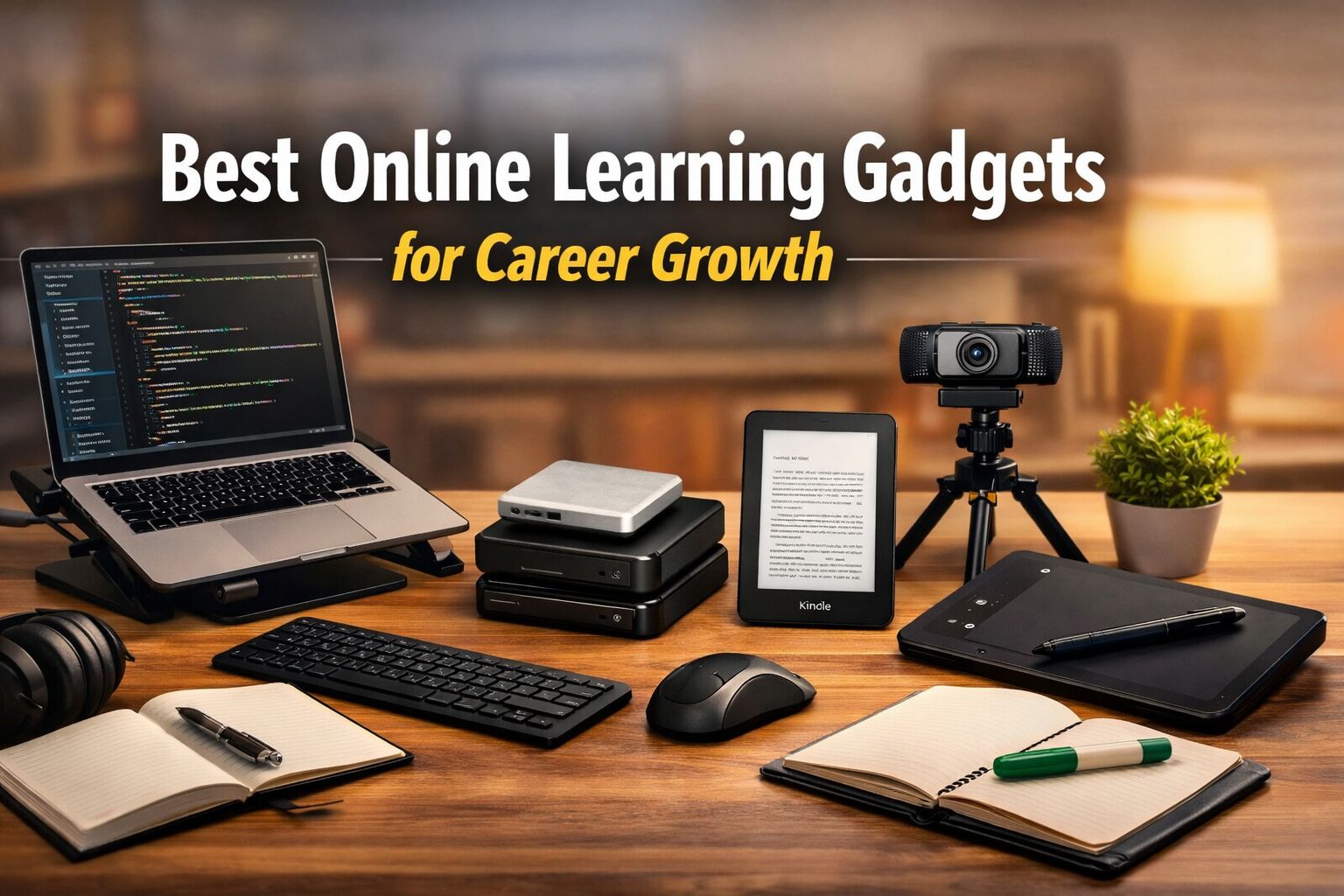
Upgrade Your Study Setup for Faster Career Growth!
Discover the Best Online Learning Gadgets for Career Growth (Must-Have Study Tools for Students & Professionals) and choose the right devices that improve focus, productivity, and learning efficiency.
Explore the Gadget Guide →Conclusion – Use This Time to Build Your Future
Board exams may be over, but your journey is just beginning.
The weeks between exams and results are often underestimated. Many students treat this time as a long holiday. However, those who use it wisely gain confidence, clarity, and direction before the next academic phase even starts.
Remember, you cannot change your exam answers now — but you can definitely shape your future from today.
Instead of worrying about marks:
- Improve your skills
- Explore career options
- Build healthy habits
- Strengthen your mindset
- Discover your interests
Results are important, but they are only one part of your story. Growth, discipline, and continuous learning matter much more in the long run.
No matter what your marks turn out to be, you will always have the power to improve, adapt, and succeed. Use this waiting period not as a pause in life, but as preparation for the next level.
Make these weeks count. Your future self will thank you.
If you found this guide helpful, share it with other students who are waiting for their board results. Smart preparation today builds a stronger tomorrow.