Introduction: The Rise of Location-Independent Careers
Not long ago, building a successful career meant being tied to a specific city, office, or country. Your opportunities were limited by geography, local job markets, and fixed working hours. Today, that reality has changed dramatically. The rise of the internet, digital tools, and global connectivity has opened the door to careers that can be built and grown from anywhere in the world.
A global career no longer requires relocating abroad or working for a multinational company in a physical office. Professionals today collaborate with international teams, serve global clients, and earn income from multiple countries—all while working from home, a coworking space, or even while traveling. This shift has redefined how people think about jobs, income, and career growth.
What makes this transformation powerful is that it is skill-driven, not location-driven. Companies and clients now care more about what you can do than where you are located. As a result, talented individuals from different parts of the world are competing—and succeeding—on the same global stage.
Another important factor behind this change is flexibility. Global careers allow people to design their work around their lives instead of designing their lives around work. Flexible schedules, remote collaboration, and digital workflows have made it possible to balance professional goals with personal priorities without sacrificing income or growth.
This article explores the global career opportunities you can pursue from anywhere, regardless of your background or location. Whether you are a student planning your future, a professional considering a career shift, or someone looking to expand beyond local opportunities, understanding these global career paths can help you make informed, future-ready decisions.
What Does a Global Career Really Mean?
A global career is not just about working for a foreign company or earning in a different currency. At its core, a global career means your work, income, and professional growth are not limited by your physical location. You can live in one country while serving clients, employers, or audiences across the world.
In a traditional career model, opportunities are shaped by local factors—nearby companies, regional demand, office locations, and fixed schedules. A global career breaks this limitation. It allows individuals to access a much larger job market where skills, experience, and results matter more than geography.
Global careers usually fall into three broad formats:
Remote employment, where professionals work full-time or part-time for international companies without relocating. These roles function like regular jobs but are performed entirely online.
Freelancing and contract-based work, where individuals offer specific services—such as writing, design, marketing, development, or consulting—to global clients. Work is often project-based, flexible, and scalable.
Digital businesses and independent careers, where people build income streams through online platforms, digital products, content creation, e-commerce, or online education. These careers are not tied to a single employer and often grow into long-term ventures.
What truly defines a global career is borderless access. You are not competing only with people from your city or country—you are participating in a worldwide marketplace of talent. At the same time, you gain access to global clients, higher-paying markets, and diverse professional experiences that are rarely available in local-only careers.
Another key aspect of global careers is digital collaboration. Meetings happen online, projects are managed through cloud-based tools, and communication happens across time zones. This environment values clarity, reliability, and results—making professionalism and communication skills just as important as technical expertise.
In simple terms, a global career is about working globally while living locally. It offers the freedom to choose where you live, how you work, and how fast you want to grow—without being confined by borders.
Why Global Careers Are the Future of Work
The way the world works is changing, and this shift is not temporary. Global careers are becoming the future of work because they solve problems that traditional job systems can no longer handle—limited opportunities, rigid structures, and unequal access to growth.
One of the biggest reasons global careers are rising is global talent demand. Companies today operate across multiple countries and time zones. To stay competitive, they hire the best talent available, regardless of location. This approach gives businesses access to specialized skills and gives professionals access to opportunities that were once restricted to certain regions.
Another major factor is technology-driven efficiency. Cloud platforms, project management tools, video conferencing, and real-time collaboration software have removed the need for physical offices in many roles. Work that once required daily in-person presence can now be done remotely with equal—or even better—productivity.
Global careers also offer greater resilience and stability. Local job markets are often affected by regional economic slowdowns, policy changes, or industry decline. In contrast, professionals working globally are diversified. They can work with clients or companies from different countries and industries, reducing dependency on a single market.
From an individual perspective, global careers provide better income potential. Many professionals earn based on international standards rather than local salary structures. This creates a powerful advantage, especially for people living in regions with lower living costs. Over time, this income gap can significantly improve quality of life and financial security.
Flexibility is another reason global careers are shaping the future. People increasingly value control over their time, work environment, and lifestyle. Global careers allow professionals to work during their most productive hours, avoid long commutes, and create healthier work-life balance without compromising career growth.
Perhaps most importantly, global careers encourage continuous learning and adaptability. Since global markets evolve quickly, professionals stay updated with new tools, trends, and skills. This mindset makes careers future-proof and reduces the risk of skills becoming obsolete.
In a world that is becoming more connected every day, careers that cross borders are no longer an alternative—they are becoming the standard. Those who prepare for global opportunities today are positioning themselves for long-term success in the evolving world of work.
Top Global Career Opportunities You Can Pursue from Anywhere

Global careers are not limited to one industry or background. They exist across technology, business, education, and creative fields. What connects them is the ability to deliver value digitally, making physical location irrelevant. Below are some of the most reliable and in-demand global career paths you can pursue from anywhere in the world.
Remote Software & Web Development
Software and web development remain among the strongest global career options. Businesses worldwide rely on websites, applications, and digital platforms, and skilled developers are in constant demand.
Remote developers work on:
- Websites and web applications
- Mobile apps
- Backend systems and APIs
- Software maintenance and optimization
What makes this career global is that code is universal. A developer in one country can build products used worldwide. Skills matter far more than degrees, and experience often outweighs formal education. With consistent learning, developers can grow from entry-level roles to highly paid international positions.
Digital Marketing Careers
Digital marketing is another field where location does not matter. Companies everywhere need visibility, leads, and online growth. As a result, they hire global professionals to manage their digital presence.
Common global digital marketing roles include:
- Search engine optimization (SEO) specialists
- Content marketers and strategists
- Social media managers
- Paid advertising and campaign managers
- Email marketing specialists
This career suits both creative and analytical minds. Results-driven performance makes it easy to build long-term relationships with international clients, and skills can be applied across industries.
Freelancing & Online Services
Freelancing allows professionals to offer specific services directly to global clients. It is one of the fastest ways to enter the global workforce.
Popular freelance services include:
- Content writing and editing
- Graphic design and branding
- Video editing and animation
- Virtual assistance and administrative support
- Customer support and online consulting
Freelancing rewards consistency, communication, and quality work. Over time, freelancers often transition into agencies, long-term contracts, or specialized consulting roles.
Online Teaching & Coaching
Education has gone global. Teachers, trainers, and coaches now reach students across countries through digital platforms.
Opportunities include:
- Language instruction
- Academic tutoring
- Skill-based training (technology, business, design)
- Professional coaching and mentoring
Online teaching focuses on clarity, structure, and engagement rather than physical classrooms. This career is especially suitable for individuals who enjoy explaining concepts and helping others grow.
Data, AI & Tech-Driven Roles
Data and AI-related careers are growing rapidly and are naturally global. Organizations need professionals who can analyze information, automate processes, and support intelligent decision-making.
Global roles in this area include:
- Data analysis and reporting
- Automation and workflow optimization
- AI-assisted content and operations support
- System and process optimization roles
These careers often offer high income potential and long-term relevance due to their growing importance in modern businesses.
Creative & Media-Based Careers
Creative professionals now build international careers without relying on traditional studios or agencies.
Examples include:
- Content creation and channel management
- Social media strategy and growth
- Podcast editing and production
- Brand storytelling and visual media
Creativity combined with digital strategy allows individuals to build global audiences or support international brands from anywhere.
E-commerce & Online Business
Entrepreneurial professionals often choose e-commerce and digital business models to create global income streams.
Common paths include:
- Selling digital products
- Print-on-demand businesses
- Online stores serving international customers
- Subscription-based services
These careers require patience and strategy but offer scalability and independence over time.
Each of these global career paths has one thing in common: they reward skill, reliability, and long-term thinking. The best choice depends on your interests, strengths, and willingness to learn consistently.
Skills That Matter More Than Degrees in Global Careers
In global careers, what you can do consistently matters far more than what is written on your degree certificate. While formal education can be useful, international clients and companies focus primarily on skills, problem-solving ability, and real-world results. This shift has created opportunities for people from diverse educational backgrounds to compete on equal footing.
One of the most important skill categories is practical technical skills. These are the core abilities directly related to your field—such as coding, content creation, data analysis, design, marketing, or teaching. Global employers look for professionals who can deliver outcomes, not just theoretical knowledge. Demonstrable work, portfolios, and project experience often carry more weight than academic qualifications.
Equally important are communication skills. In global work environments, professionals collaborate across cultures and time zones. Clear written communication, structured thinking, and the ability to explain ideas simply are essential. Even basic but confident English communication is often enough to succeed, as long as clarity and professionalism are maintained.
Another critical area is problem-solving and adaptability. Global careers evolve quickly. Tools, platforms, and client expectations change regularly. Professionals who can learn new systems, adjust strategies, and handle unfamiliar challenges are far more valuable than those who rely on fixed routines.
Time management and self-discipline play a major role as well. Unlike traditional office jobs, global careers often come with flexibility. This freedom requires responsibility—meeting deadlines, managing workloads independently, and maintaining consistent productivity without constant supervision.
Digital literacy is now a baseline requirement. This includes the ability to use online tools, collaborate through cloud platforms, manage files securely, and adapt to new software quickly. Being comfortable with technology makes global work smoother and more efficient.
Finally, professional mindset and reliability separate average workers from high-performing global professionals. Showing up on time for meetings, delivering work as promised, respecting cultural differences, and maintaining ethical standards build long-term trust. In global careers, reputation travels fast—and reliability leads to repeat work, referrals, and growth.
In today’s global job market, skills are the new currency. Those who invest in learning, practicing, and refining relevant abilities consistently create opportunities that degrees alone cannot guarantee.
How to Start a Global Career from Scratch
Starting a global career may seem overwhelming at first, especially if you have no prior international experience. However, most successful global professionals began with the same uncertainty. What sets them apart is a structured approach, patience, and consistent effort.
The first step is choosing a clear skill direction. Instead of trying to learn everything, focus on one skill that aligns with your interests and market demand. Whether it is digital marketing, development, writing, design, data work, or teaching, clarity at this stage saves time and confusion later.
Once you choose a skill, the next phase is focused learning. Use structured courses, guided tutorials, and practical exercises to understand both fundamentals and real-world application. The goal is not to rush but to build a strong foundation. Learning should always be paired with practice, even at the beginner stage.
After gaining basic confidence, start building practical experience. This can include:
- Personal projects
- Sample work
- Practice assignments
- Volunteer or low-risk trial projects
These experiences form your proof of ability. In global careers, portfolios and demonstrated work matter more than formal experience titles.
The next step is creating a professional presence. This includes a clear profile, service description, or resume that explains what you do, who you help, and how you deliver value. Keep it simple, honest, and focused on outcomes rather than claims.
Once prepared, begin applying and pitching consistently. Global careers often require patience at the start. Rejections and silence are part of the process. Success comes from regular effort, continuous improvement, and learning from feedback.
As you gain your first opportunities, focus on delivering quality and building trust. Long-term global careers are built on repeat work and referrals, not one-time wins. Meeting deadlines, communicating clearly, and solving problems professionally create momentum.
Finally, treat your global career as a long-term journey, not a quick result. Skills compound over time, confidence grows with experience, and opportunities expand naturally. Those who stay consistent eventually move from beginners to specialists with stable global income.
Tools & Technologies Needed to Work Globally
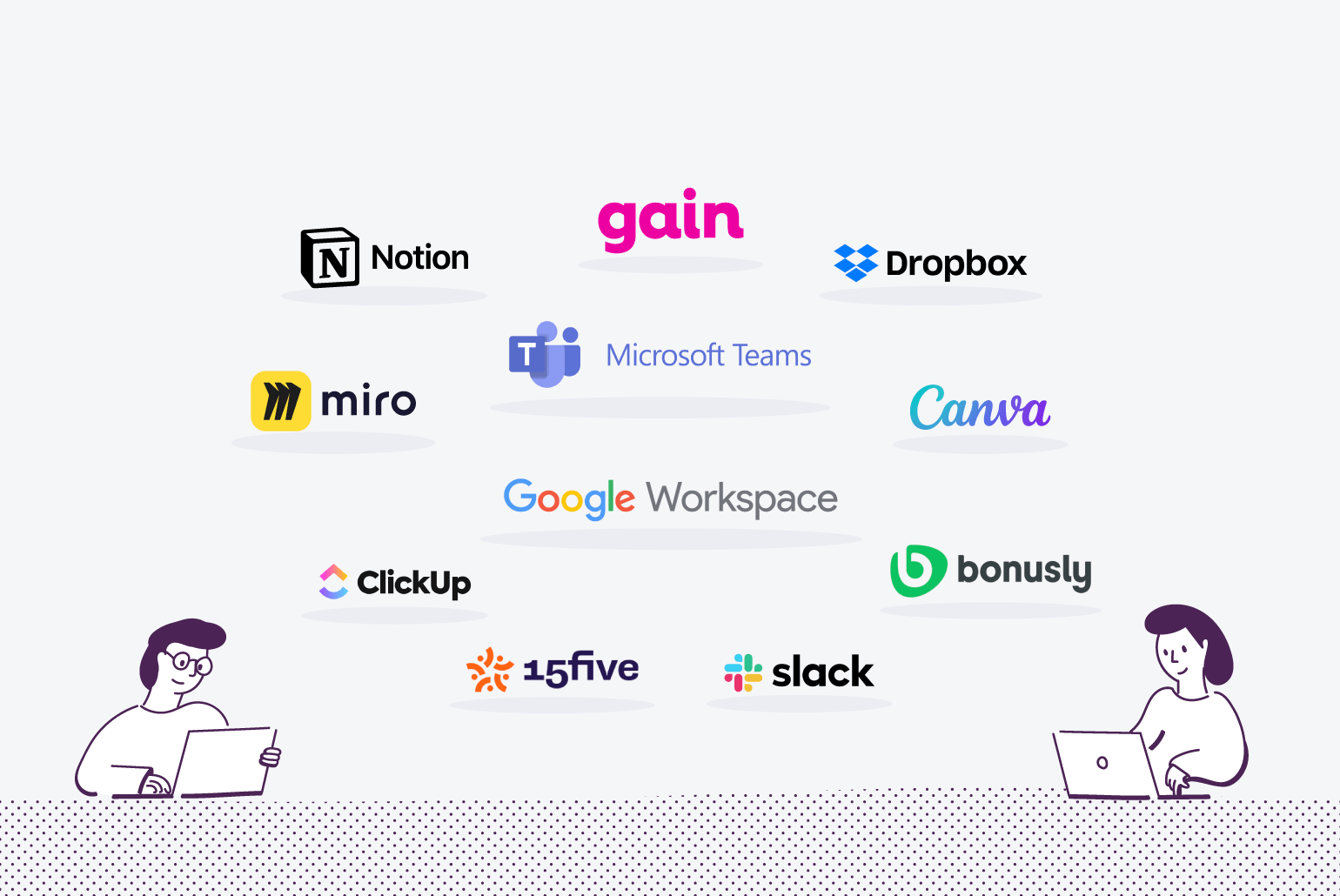
Working globally does not require expensive equipment or complex systems. What matters most is having the right basic tools and knowing how to use them efficiently. With a simple, reliable setup, professionals can collaborate seamlessly with international clients and teams.
The foundation of any global career is a reliable computer and internet connection. A laptop or desktop capable of handling your work smoothly is essential. Stable, high-speed internet ensures uninterrupted communication, timely delivery, and professional reliability—especially when working across time zones.
Communication tools are at the heart of global work. Most international collaboration happens through email, messaging platforms, and video calls. Being comfortable with written communication and virtual meetings helps build trust and clarity. Clear subject lines, structured messages, and timely responses make a strong professional impression.
Next are collaboration and project management tools. These platforms help teams track tasks, share updates, and manage deadlines without confusion. Understanding how to follow workflows, update progress, and respect timelines is often more important than the tool itself.
Cloud storage and file-sharing systems are equally important. They allow professionals to access work from anywhere, collaborate on documents, and keep files secure. Organized file management reflects professionalism and reduces errors in global projects.
For global careers, payment and invoicing tools are a practical necessity. Professionals need safe, transparent ways to receive international payments, track earnings, and manage invoices. Understanding basic payment cycles, fees, and documentation helps avoid confusion and delays.
Productivity and time management tools support consistency. Since global work often comes with flexibility, managing time effectively is crucial. Simple task lists, calendars, and focus tools help maintain structure without micromanagement.
Finally, basic cybersecurity awareness is essential. Using strong passwords, secure networks, and trusted platforms protects both your work and your clients’ data. Professional responsibility includes safeguarding information and maintaining digital hygiene.
In global careers, tools are not about complexity—they are about clarity, reliability, and efficiency. Mastering a simple set of tools can make working across borders smooth, professional, and sustainable.
Common Challenges in Global Careers (And How to Overcome Them)
Global careers offer freedom and opportunity, but they also come with unique challenges. Understanding these challenges in advance—and knowing how to handle them—helps professionals build sustainable and stress-free global careers.
One of the most common challenges is working across different time zones. Meetings, deadlines, and communication may not always align with local working hours. This can be managed by setting clear availability windows, using shared calendars, and communicating response times upfront. Professionals who plan their schedules proactively avoid burnout and confusion.
Another frequent concern is payment and financial security. International payments can sometimes feel uncertain, especially in the early stages. The solution lies in using trusted payment platforms, agreeing on payment terms before starting work, and maintaining proper invoices and records. Clear financial communication builds trust on both sides.
Competition in the global market is another reality. Since opportunities are open worldwide, you compete with professionals from different countries and experience levels. The key to standing out is specialization. Instead of offering general services, focusing on a specific niche or problem makes your profile more valuable and memorable.
Many professionals also face communication gaps. Cultural differences, language nuances, and written communication misunderstandings can cause friction. Keeping communication simple, respectful, and well-structured helps avoid issues. Asking clarifying questions early often prevents larger problems later.
Isolation and lack of structure can affect motivation. Without an office environment, some professionals struggle with focus or consistency. Creating a daily routine, setting work boundaries, and maintaining social interaction—online or offline—helps sustain long-term productivity.
Another challenge is skill relevance over time. Global markets evolve quickly, and outdated skills reduce opportunities. The solution is continuous learning. Staying updated with tools, trends, and industry changes keeps your career future-proof.
Finally, self-doubt and slow initial progress can discourage beginners. Global careers often take time to build momentum. Progress may feel invisible at first, but consistent effort compounds. Treating challenges as part of growth—not failure—makes a significant difference.
Every global professional faces obstacles. What separates successful careers from abandoned ones is the ability to adapt, learn, and move forward with clarity and patience.
Income Expectations & Growth Potential in Global Careers
Income in global careers varies widely, especially in the beginning. Unlike traditional jobs with fixed salary structures, global careers grow based on skill level, experience, reputation, and consistency. Understanding this progression helps set realistic expectations and long-term goals.
At the beginner stage, income is usually modest. Early earnings often come from small projects, trial work, or entry-level roles. This phase is less about money and more about learning, building confidence, and creating a track record. Many professionals underestimate this stage, but it plays a critical role in long-term success.
As experience grows, professionals move into the intermediate stage, where income becomes more stable and predictable. At this point, skills are clearer, communication improves, and work quality becomes consistent. Clients begin to trust your ability to deliver, leading to repeat projects and better pay rates.
With specialization and strong performance, global professionals reach the advanced stage, where income scales significantly. Specialists, consultants, and senior remote professionals often earn based on expertise rather than time. This stage allows flexibility in choosing projects, clients, and workloads.
One major advantage of global careers is scalability. Income is not limited to a single employer or fixed hours. Professionals can:
- Increase rates as skills improve
- Work with multiple international clients
- Build systems, teams, or digital products
- Transition into teaching, consulting, or agency models
Another factor that influences income growth is currency advantage. Earning in stronger currencies while living in regions with lower living costs increases purchasing power and financial stability over time.
Long-term growth in global careers depends on reputation and relationships. Professionals who deliver consistently, communicate clearly, and solve problems effectively build strong professional networks. Referrals and long-term contracts often become the primary source of income.
It is important to understand that global careers reward patience and persistence. Income growth is gradual but sustainable. Those who focus on skill development rather than short-term gains create careers that grow stronger year after year.
Who Should Choose a Global Career?
Global careers are not limited to a specific age group, qualification, or profession. They are suitable for anyone who is willing to learn, adapt, and work consistently in a digital environment. However, certain groups benefit especially well from global career paths.
Students and fresh graduates can use global careers to gain real-world experience early. Instead of waiting years for local opportunities, they can build skills, work with international clients, and understand global work standards while still learning. This exposure often gives them a strong advantage later in life.
Working professionals who feel limited by salary growth, location, or rigid schedules often turn to global careers for better opportunities. Many professionals start part-time, gradually transitioning to full-time global work once income and confidence stabilize.
Career switchers also find global careers appealing. People from non-technical or traditional backgrounds can move into new fields by learning relevant skills. Since global hiring is skill-focused, past job titles matter less than current capability.
Freelancers and independent workers benefit naturally from global careers. Expanding beyond local clients increases income potential, professional exposure, and long-term stability. Global work reduces dependency on a single market.
Entrepreneurs and self-driven individuals who prefer independence often choose global paths. Digital businesses, consulting, and online services allow them to design their work, scale gradually, and operate internationally without heavy investment.
In simple terms, a global career suits anyone who values growth, flexibility, and long-term opportunity over short-term comfort.
Myths vs Reality About Working Globally
Global careers are often misunderstood. Many people hesitate to explore them because of assumptions that are either outdated or incorrect. Clearing these myths helps individuals make informed, confident decisions.
One common myth is that global careers are only for tech experts. In reality, while technology plays a role, global opportunities exist across writing, marketing, teaching, design, customer support, consulting, and many other fields. Technology is a tool, not a barrier.
Another widespread belief is that you need advanced degrees or foreign education. The reality is that global employers prioritize skills, experience, and results. Many successful professionals have built international careers without prestigious degrees, relying instead on portfolios and consistent performance.
Some believe that global careers are risky and unstable. While no career is completely risk-free, global careers often provide more stability through diversification. Working with multiple clients or international companies reduces dependency on a single employer or local market.
There is also a myth that starting a global career requires heavy investment. In truth, most global careers begin with basic tools—an internet connection, a computer, and learning resources. Growth comes from time and effort, not large upfront costs.
Another misconception is that language barriers make global work impossible. While communication matters, perfect language skills are not required. Clear, simple, and professional communication is usually sufficient. Confidence and clarity matter more than perfection.
Finally, many assume that global careers deliver instant success. The reality is that building a global career takes time. Early stages involve learning, experimentation, and gradual progress. Those who stay patient and consistent see long-term rewards.
Understanding the difference between myth and reality removes fear and replaces it with clarity. Global careers are not shortcuts—but they are powerful, achievable paths for those willing to commit.
Final Thoughts: Building a Borderless Career
The idea of building a career without geographical limits is no longer futuristic—it is already happening. Around the world, individuals are shaping successful professional lives by focusing on skills, adaptability, and long-term thinking rather than location or traditional career paths.
A global career is not about escaping hard work. It is about redirecting effort toward opportunities that offer broader reach and sustainable growth. Those who succeed are not always the most talented, but the most consistent. They learn continuously, communicate clearly, and take responsibility for their professional development.
What makes global careers powerful is choice. You can choose where you live, how you work, and how your career evolves. Over time, this freedom creates not only financial stability but also personal confidence and professional independence.
The journey may feel slow at first, and progress may not always be visible. However, every skill learned, every project completed, and every challenge overcome adds momentum. Global careers reward patience, discipline, and clarity of purpose.
If you are willing to invest in learning, stay open to change, and think beyond local limitations, a borderless career is not just possible—it is practical and achievable. The best time to start is not when everything feels perfect, but when you are ready to take the first consistent step forward.
Frequently Asked Questions (FAQs)
Q1. What is a global career in simple terms?
A global career is a profession where your work and income are not limited by your location. You can live in one country while working for companies, clients, or students from different parts of the world using the internet.
Q2. Do I need to move abroad to build a global career?
No. A global career does not require relocation. Most global professionals work remotely from their home country while serving international markets online.
Q3. Are global careers only for people with technical skills?
Not at all. While technical skills are in demand, global careers also exist in writing, marketing, teaching, design, customer support, consulting, and many other non-technical fields.
Q4. Can beginners start a global career with no experience?
Yes. Many global professionals start with no prior experience. Beginners usually focus on learning one skill, practicing it through small projects, and gradually building experience and confidence.
Q5. Is a college degree mandatory for working globally?
In most global careers, skills and results matter more than degrees. A strong portfolio, good communication, and consistent work often carry more weight than formal qualifications.
Q6. How long does it take to earn from a global career?
The timeline varies. Some people earn within a few months, while others take longer. Income usually grows gradually as skills improve, experience increases, and professional trust is built.
Q7. Are global careers stable in the long term?
Yes, especially when professionals diversify their skills and clients. Global careers can be more stable than local jobs because they are not dependent on a single market or employer.
Q8. What are the biggest challenges in global careers?
Common challenges include time zone differences, competition, communication gaps, and self-discipline. These can be managed with planning, clear communication, and consistent routines.
Q9. Is strong English required to work globally?
Perfect English is not required. Clear, simple, and professional communication is usually enough. Confidence and clarity matter more than accent or advanced vocabulary.
Q10. Is starting a global career expensive?
No. Most global careers require only basic tools like a computer, internet connection, and learning resources. Growth depends more on effort and consistency than financial investment.

Exploring Your Career Options?
Career decisions are not made in one step. Exploring different paths and real-world realities helps you make clearer, more confident career choices.
Explore Career Path Guidance →